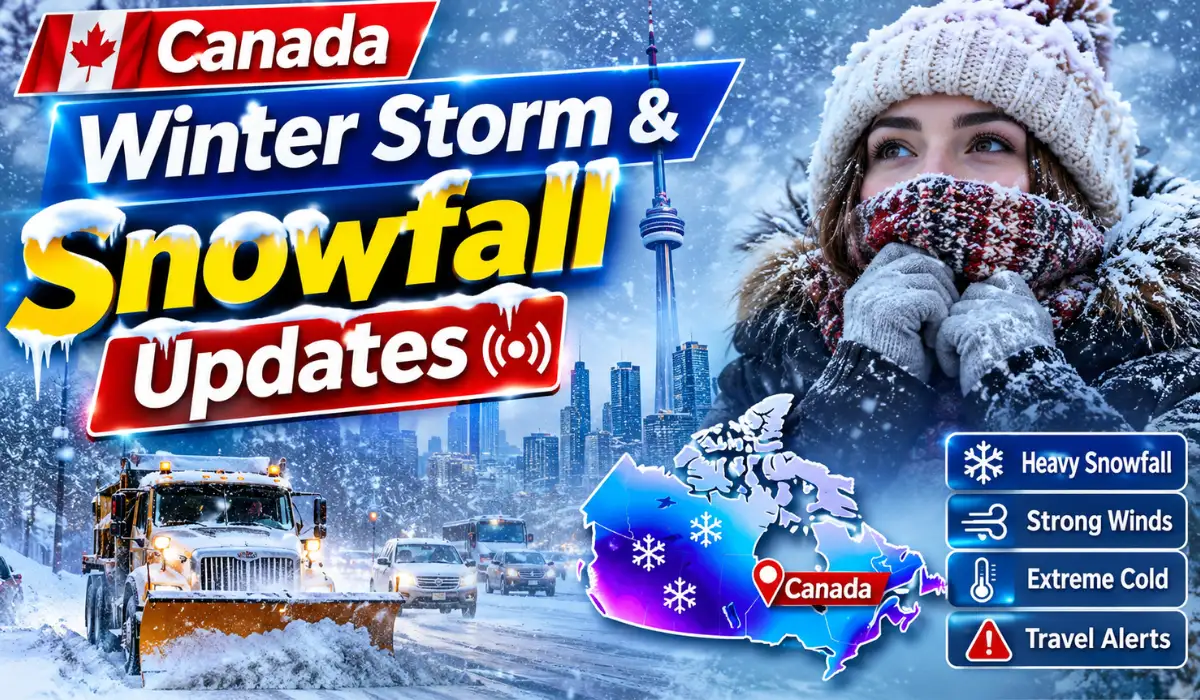
I still remember the exact moment last winter when a massive wall of white rolled across my window, turning the street outside into a complete mystery. Within minutes, my car vanished under a thick blanket of powder, and the wind began to howl like an engine revving in the dark. If you live anywhere in the Great White North, you know this feeling well. Every year, we face the same chilly drill. That is why keeping up with the latest Canada winter storm and snowfall updates is so important for keeping my family safe, my driveway clear, and my stress levels low. Winter weather in our country is no joke. From freezing rain in the east to blinding powder out west, nature always keeps us on our toes. In this guide, I want to walk you through everything I look for when the weather turns sour. We will explore current forecasts, smart preparation tricks, and simple ways to stay updated so you never get caught out in the cold. Grab a warm mug of cocoa, get cozy, and let’s dive right into what you need to know about this season’s big chills!
What Are the Latest Winter Storm Updates in Canada?
When I wake up on a frosty morning, my very first habit is checking my phone for What are the latest winter storm updates in Canada? Weather patterns shift fast here. One day it is a crisp, sunny afternoon, and the next, a deep low-pressure system is brewing to dump feet of fresh powder on our doorsteps. Meteorologists use high-tech satellite tools to track these massive storms days before they hit. Right now, forecasters are watching shifting jet streams that bring wild temperature swings. Knowing these updates early gives me enough time to change my plans, stock up on pantry staples, and avoid treacherous highway driving.
Tracking the Canada Winter Storm And Snowfall Updates Across Regions
To understand how a storm will affect me, I always look at regional breakdowns rather than the country as a whole. A blizzard in the prairies looks very different from a wet snow event on the coast.
- Western Canada: Often gets hit first by Pacific systems bringing heavy coastal rain and mountain snow.
- The Prairies: Known for bitter winds and sweeping ground drifts that drop visibility to zero in seconds.
- Central Canada: Faces a mix of heavy ice, freezing rain, and massive snow accumulation that tests our snow-shoveling muscles.
- Atlantic Canada: Frequently sees powerful nor'easters packing heavy wet snow and fierce ocean gales.
Read Also: Canadian Banking Industry Financial Updates: What You Need to Know
Why Is Canada Experiencing Heavy Snowfall This Winter?
People always ask me, Why is Canada experiencing heavy snowfall this winter? It feels like every year the flakes get bigger and the drifts get higher! The science behind our snowy wonderland comes down to geography and shifting atmospheric moisture.
Because our country is so vast, we sit right in the middle of major weather battlegrounds. Warm, humid air systems rising up from the south crash directly into bitter Arctic air masses sweeping down from the north. When these two opposing air forces meet, they squeeze out massive amounts of moisture. That moisture turns straight into heavy snow or freezing rain before dropping right into our backyards.
"Winter storms in Canada are driven by intense temperature contrasts. When Arctic air collides with southern moisture feeds, the resulting atmospheric squeeze produces some of the heaviest and most rapid snowfall rates on the continent." — Dr. Aris Thorne, Climatologist and Severe Weather Researcher
Top 10 Canada Winter Storm And Snowfall Updates You Need to Know
When a major weather event approaches, sorting through all the noise can feel exhausting. To make things easy, I put together this quick checklist of the Top 10 Canada Winter Storm And Snowfall Updates essentials that I always keep in mind:
- Check alerts daily: Always look for official warnings from Environment Canada before heading out.
- Know your local terminology: Understand the difference between a simple snow flurry, a snow squall, and a full-blown blizzard.
- Monitor highway conditions: Use provincial transit apps to check for slippery roads and closures.
- Prepare for power outages: Keep flashlights, extra batteries, and warm blankets in an easy-to-reach closet.
- Protect your pipes: Insulate vulnerable plumbing in your basement or crawl space before deep freezes settle in.
- Service snow removal gear: Test your snowblower and buy fresh ice melt before the first big storm strikes.
- Keep emergency kits in cars: Pack a small shovel, scraper, booster cables, and warm gear in your trunk.
- Watch for frostbite: Extreme cold warnings mean exposed skin can freeze in just minutes.
- Support elderly neighbors: Check in on older folks down the street to see if they need help clearing their walkways.
- Stay flexible: Give yourself extra travel time and be ready to stay home if conditions get dangerous.
How Can Canadians Check the Latest Winter Storm Updates?
Staying informed is my greatest defense against bad weather. Whenever I wonder How can Canadians check the latest winter storm updates?, I rely on a few trusted tools that never let me down. You do not need to be a weather expert to find accurate information. Official channels provide real-time radar maps, hourly forecasts, and instant push notifications when conditions turn dangerous.
Best Digital Tools for Tracking Snowstorms
- The Weather Network App: Great for live radar loops, localized alerts, and minute-by-minute precipitation graphs.
- Environment Canada Weatheradio: A battery-powered radio that broadcasts emergency alerts even if the cellular network goes down.
- Local Municipal Websites: Excellent for checking city snow-plow schedules and parking bans during major snow events.
Read Also: Us Inflation Rate News And Updates: Latest CPI Data And Trends
Winter Storm Warning Ontario Today and Regional Alerts
If you live in central or eastern regions, you have likely searched for terms like Winter storm warning Ontario today or Ontario weather warnings today during a nasty blowout. Ontario and Quebec frequently experience intense lake-effect snow squalls. These squalls form when cold winds blow across the relatively warm waters of the Great Lakes, picking up moisture and dumping feet of snow in narrow, localized bands. One neighborhood might have clear blue skies while just two blocks over, drivers are trapped in a total whiteout! Keeping an eye on localized radar helps me dodge these sudden storm bands entirely.
Tracking Canada Temperature in Winter and Heavy Snow Accumulation
Managing our chilly climate means understanding the numbers. People often look up Canada temperature in winter alongside Heavy snow accumulation forecast across Canada to see just how deep the drifts will get. Temperatures across our provinces vary wildly. While coastal British Columbia might hover right around freezing with wet slush, the northern Prairies can easily plunge past minus forty degrees with biting wind chills. When heavy snow falls during extreme cold, the powder stays light and fluffy, making it easy to shovel but prone to blowing across highways and creating massive drifts.
"As an emergency management coordinator, my top piece of advice is never to underestimate a heavy accumulation forecast. Ten centimeters of wet, heavy snow can knock out power lines just as easily as high winds, cutting off heat when you need it most." — Sarah Jenkins, Public Safety and Emergency Preparedness Specialist
Localized Snow Outlooks: From British Columbia to Winnipeg and Edmonton
Weather varies dramatically depending on where you stand in our vast country. Let us look at what regional forecasts are saying for major hubs:
- British Columbia winter storm and snowfall forecast: Mountain passes and interior valleys see heavy alpine snow, requiring strict winter tire rules and chain checks for all drivers.
- Winnipeg extreme cold and snowfall updates: The Prairies face biting wind chills and blowing snow that reduce highway visibility to zero.
-
The Weather Network
- Edmonton winter weather forecast and snow warnings: Residents bundle up against crisp polar air masses that bring sparkling frost and steady accumulations to neighborhood streets.
- Winter storm updates for Ontario and Quebec: Heavy ice storms and major snow blowouts regularly challenge morning commutes in Toronto, Ottawa, and Montreal.
Managing Canada Airport Delays Due to Heavy Snowfall
One of the most frustrating parts of a massive blizzard is travel disruption. Whenever I plan a holiday trip, I always keep an eye on Canada airport delays due to heavy snowfall. Major hubs like Toronto Pearson, Vancouver International, and Montreal-Trudeau deploy massive fleets of snowplows, de-icing trucks, and specialized sweepers to keep runways clear. However, when blinding snowstorms strike back-to-back, flights inevitably get delayed or canceled.
Toronto Pearson Airport
My Top Tips for Smooth Winter Travel
- Check flight status before leaving home: Never drive to the airport blindly if a storm is raging outside.
- Download your airline app: Get instant notifications regarding gate changes, delays, or flexible rebooking policies.
- Pack essentials in your carry-on: Always keep medications, phone chargers, and a warm sweater with you just in case you get stuck overnight.
Staying Safe: Canada Winter Storm Emergency Preparedness Updates
When severe weather knocks out the power grid, staying calm and prepared makes all the difference. Reviewing Canada winter storm emergency preparedness updates helps me ensure my home is ready for anything.
I always keep a dedicated emergency kit stocked with bottled water, non-perishable food, a hand-crank flashlight, a first-aid kit, and extra thermal blankets. Having these items ready gives me incredible peace of mind when the wind howls outside my windows and the lights flicker.
Read Also: Us Artificial Intelligence Industry News: Latest Trends 2026
Looking Ahead: Canada Snow Forecast for the Next Seven Days
Planning my week always starts with checking the Canada snow forecast for the next seven days. Weather models show that winter weather is dynamic, meaning a quiet Tuesday can easily turn into a snowy Friday. By staying proactive, checking local updates, and respecting the power of winter storms, I can enjoy the cozy beauty of our snowy season without the stress. Stay warm, drive safely, and keep an eye on those forecasts!
Frequently Asked Questions
What should I put in a home winter storm emergency kit?
Your kit should include non-perishable food, a manual can opener, bottled water (one gallon per person per day), a battery-powered or hand-crank radio, flashlights, extra batteries, a first-aid kit, warm blankets, and essential medications.
How do I prevent my home pipes from freezing during an extreme cold snap?
Let a small trickle of water run from faucets connected to pipes running through outer walls. Open cabinet doors under sinks to let warm indoor air circulate around plumbing, and insulate exposed pipes in your basement or crawl space.
What is the safest way to shovel heavy snow?
Push the snow rather than lifting it whenever possible. If you must lift, bend your knees, lift with your legs, take small loads, and avoid twisting your back to prevent painful muscle strains.
Are winter tires mandatory across Canada?
Rules vary by province and territory. For example, winter tires are legally required on most British Columbia highways and parts of Quebec from autumn through early spring, while other provinces strongly recommend them for safety.