Have you ever gone to the grocery store with a twenty-dollar bill, hoping to buy a bag full of snacks, but walked out with only a few items? It feels frustrating, right? That sudden shock at the checkout counter happens because of inflation. When prices go up, your hard-earned money loses its purchasing power. Keeping track of the economy can feel like reading a foreign language. But understanding what is happening to our money does not have to be boring or difficult. Whether you are saving up for a new bicycle or trying to understand why a gallon of milk costs more, staying informed is super important. Let’s break down everything you need to know about the Us Inflation Rate News And Updates in a simple, fun, and easy way. By the end of this guide, you will know how prices change, why energy costs matter so much, and what experts say about our financial future.
What Is the Latest Us Inflation Rate News And Updates?
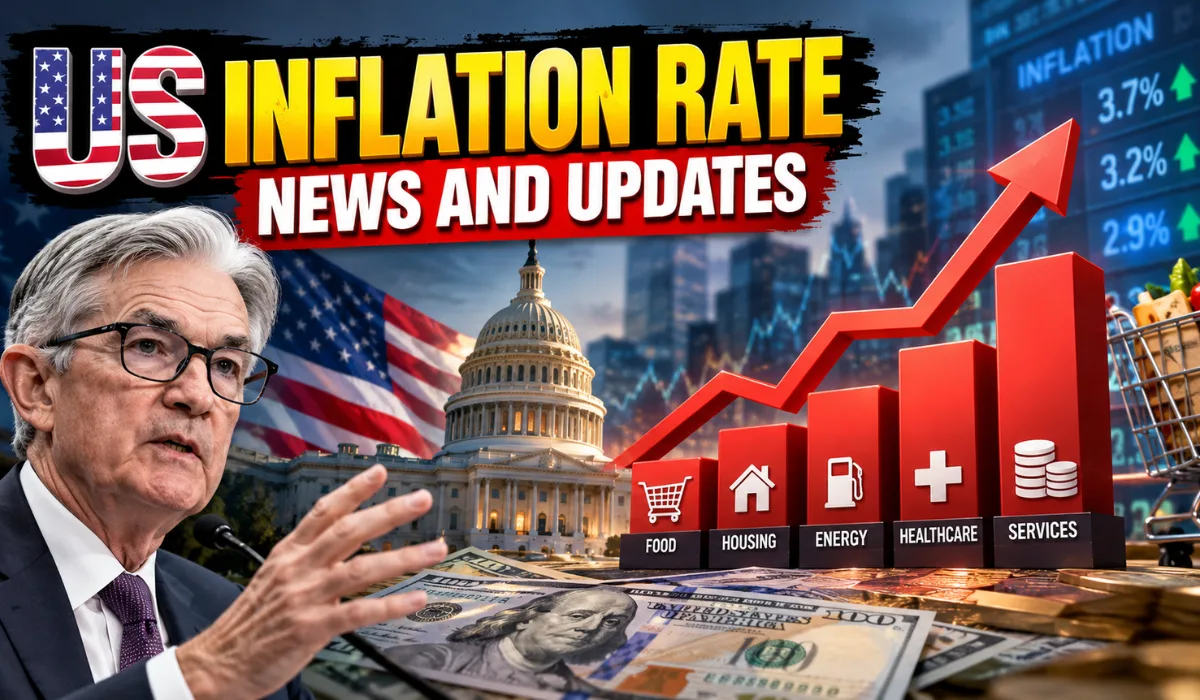
To understand where our economy stands right now, we have to look at the numbers. Recent reports show that the annual Us inflation rate sits around 3.7%. This is a slight tick up from previous months when it hovered around 3.4%. Why does this number matter? Economists measure inflation using the Consumer Price Index, or CPI. This index tracks a giant shopping basket filled with everyday goods and services. When the total cost of that basket goes up compared to last year, the inflation rate climbs.
Here is a quick look at recent numbers:
- Headline Inflation Rate: 3.7% year-over-year.
- Monthly Consumer Price Index (CPI) Gain: Up 0.6% in the latest monthly report.
- Core Inflation Rate: 2.6% (which strips out volatile food and energy costs).
As an economic researcher, I look at these reports every single month. While a 3.7% rate is much lower than the massive spikes we saw a few years ago, it shows that price pressures are still sticking around. Prices are not necessarily falling; they are just rising at a slightly faster pace than before.
Read Also: Us Artificial Intelligence Industry News: Latest Trends 2026
Why Do Energy Prices Influence US Inflation Rates?
Have you ever wondered why a jump at the gas pump makes everything else more expensive? Energy is the invisible engine that powers our entire economy. When crude oil prices climb, it costs more to fill up your family car.
More importantly, it costs transportation companies more money to drive massive delivery trucks filled with groceries, clothes, and toys to your local stores. Those high shipping costs get passed down to everyday shoppers. That is why energy shifts play a massive role in Latest US inflation rate economic news.
"Energy costs act as a financial domino. When fuel prices spike, the ripples hit agriculture, manufacturing, and retail almost immediately, driving up headline numbers across the board." — Dr. Elena Vance, Senior Economic Analyst
Gasoline prices recently jumped, accounting for a huge chunk of the monthly CPI increase. When energy spikes, the entire cost of living feels the squeeze. That is why financial experts watch oil barrels and utility costs like hawks every single week.
Current US Inflation Rate Monthly Updates and Core Trends
When reading financial headlines, you will often see two terms: headline inflation and core inflation. Knowing the difference helps you see past the loud media noise.
Headline inflation includes everything—like fresh vegetables, gasoline, and electricity bills. Because weather patterns or sudden global events can make food and energy prices bounce up and down wildly, economists also track US core inflation rate latest developments.
Core inflation removes food and energy to show the underlying trend of the economy. Recent data reveals that core inflation is running at 2.6%. Because core inflation is lower than headline inflation, it tells us that the biggest culprit behind recent price jumps is energy, while other goods and services are stabilizing a bit.
US Inflation Rate Trends and Analysis Over the Years
Looking at history gives us a fantastic roadmap. If we look at US inflation rate historical data and trends, we see that prices always fluctuate. Decades ago, during the early 1980s, inflation skyrocketed to nearly 15%! Compared to those wild times, today's numbers are quite calm.
However, over the long term, money naturally loses value. Something that cost one dollar twenty-five years ago costs nearly double that today. This steady upward drift is normal in a growing economy, but sudden spikes cause budget stress for millions of families. Understanding these waves helps us realize that economic cycles come and go. Prices rise, central banks step in to cool things down, and eventually, the market finds a new balance.
US Inflation News And Federal Reserve Policy Connections
The Federal Reserve (often called "the Fed") is like the referee of the US financial system. Their main job is to keep prices stable and ensure maximum employment. When inflation runs too hot, the Fed steps in to cool things down.
How do they do that? Their main tool is adjusting interest rates. By raising interest rates, borrowing money becomes more expensive. When loans cost more, businesses delay big expansion projects, and consumers buy fewer houses or cars. This slowdown lowers the demand for goods, which forces companies to stop raising prices so aggressively.
"The Federal Reserve faces a delicate balancing act. They want to squash inflation completely without accidentally tipping the broader job market into a recession." — Marcus Sterling, Policy Strategist and Financial Author
Recent US inflation rate and interest rate outlook reports show that central bankers are paying very close attention to these monthly data releases. Every time a new CPI report drops, stock markets and mortgage rates react instantly based on what they think the Fed will do next.
US Inflation Data And Consumer Spending Trends in Daily Life
Numbers on a spreadsheet translate directly to how we live our lives. Recent US inflation data and consumer spending trends show that everyday shoppers are getting smarter with their cash.
Because shelter costs (rents and housing expenses) and everyday services have gotten pricier, families are shifting their habits. People are eating out less, hunting for discount grocery brands, and delaying purchases on big-ticket electronics.
Even though consumer sentiment remains a bit cautious, spending has not stopped entirely. People are simply prioritizing needs over wants. As a researcher, I find it inspiring to see how resourceful families become when managing tight household budgets during shifting economic seasons.
How Can Consumers Manage Rising Inflation in the United States?
Dealing with rising prices can feel stressful, but you are never totally powerless. Taking proactive steps protects your wallet and builds long-term financial confidence. Here are practical strategies you can use starting today:
- Build a Flexible Budget: Track where every dollar goes each month. Categorize expenses into strict needs versus wants so you can trim excess spending easily.
- Audit Subscriptions and Bills: Cancel streaming services or gym memberships you do not use. Call utility or internet providers to negotiate lower promotional rates.
- Embrace Smart Grocery Shopping: Plan meals ahead, buy store brands instead of name brands, and freeze seasonal produce to cut down on food waste.
- Invest in Assets That Beat Inflation: Keep emergency cash in high-yield savings accounts that earn interest matching or beating the inflation rate.
Small adjustments add up quickly. By taking control of your daily financial habits, you protect your savings from losing value over time.
Read Also: Us Canada Diplomatic Relations News: Latest Updates And Trade
Top 10 Us Inflation Rate News And Updates Takeaways
To make tracking the economy super easy, here are the ten most important things to remember right now:
- Current Rate: The annual US inflation rate stands at 3.7%.
- Monthly Gains: The Consumer Price Index rose 0.6% over the latest monthly reporting cycle.
- Core Numbers: Core inflation, which excludes volatile food and energy, sits at 2.6%.
- Energy Impact: Spikes in gasoline and energy prices drove the recent acceleration in headline inflation.
- Shelter Pressures: Housing and rental costs continue to post steady gains, pushing up the cost of living.
- Federal Reserve Role: The Fed monitors these numbers closely to decide whether interest rates need adjustments.
- Historical Context: Today's inflation is far lower than historical peaks seen in the 1980s.
- Consumer Adaptation: Shoppers are prioritizing essentials and seeking out discount alternatives.
- Purchasing Power: Inflation slowly erodes the real value of cash, making smart saving essential.
- Future Outlook: Economists project inflation to gradually moderate toward target levels over the next couple of years.
Frequently Asked Questions About US Inflation
What is the difference between headline and core inflation?
Headline inflation tracks the entire basket of goods and services, including food and energy. Core inflation strips out food and energy because those prices change rapidly month-to-month, giving economists a cleaner look at long-term price trends.
Why does the Federal Reserve target 2% inflation?
A low, stable inflation rate of around 2% encourages people to spend and invest today rather than waiting for prices to drop, which keeps the economy healthy and growing without destroying consumer purchasing power.
How often is the US inflation rate updated?
The Bureau of Labor Statistics releases the Consumer Price Index (CPI) report on a monthly basis, usually around the middle of every month for the previous month's data.
Does inflation affect everyone the exact same way?
No! Your personal inflation rate depends on your lifestyle. If you drive a long distance to work, energy price spikes affect you much more than someone who works from home and walks to the grocery store.