Have you ever wondered why a small news story about the desert can change the price of gas in your hometown? I track energy markets every day, and right now, the biggest story in the world is happening in the Persian Gulf. Middle East Oil Production Latest Updates are grabbing headlines everywhere because our global energy system is going through a massive shakeup. If you feel confused by terms like OPEC, crude barrels, and shipping lanes, do not worry. I am going to break everything down for you in simple, everyday words. Let us dive right into what is happening on the ground and explore how these changes affect our daily lives.
What Are the Latest Middle East Oil Production Updates?
When I look at the Middle East oil production current status, I see a region working hard to bounce back from major supply shocks. Earlier in the year, geopolitical conflicts and regional tensions caused massive disruptions, especially around vital trade passages like the Strait of Hormuz.
According to recent industry data from oil and gas publications, production numbers are finally starting to recover. In fact, latest figures show that major Gulf producers have restored significant supplies, pushing overall output back up as trade routes slowly normalize.
"The recent recovery in Gulf output proves how resilient regional infrastructure is, even when faced with unprecedented transit challenges." — Dr. Tariq Al-Mansoor, Senior Energy Analyst
Read Also: Middle East Military Operations Updates | Latest Regional Defense News
Why Is Middle East Oil Production Changing?
You might ask why oil wells open and close like kitchen faucets. The truth is that production levels shift due to a mix of politics, economics, and international agreements. Why is Middle East oil production changing? The main reason is the active management by producer alliances trying to balance global supply and demand.
- OPEC Policy Adjustments: Member nations frequently meet to decide whether to pump more oil or hold back to keep market prices stable.
- Geopolitical Events: Regional conflicts and security measures around shipping choke points temporarily halt exports, forcing sudden drops in output.
- Economic Growth Factors: Shifting global energy demand pushes producers to adjust their monthly targets.
How Is Middle East Oil Production Changing in 2026?
Looking closely at How is Middle East oil production changing in 2026?, the year has been a roller coaster for energy traders. After hitting sharp lows due to mid-year security crises, major suppliers like Saudi Arabia, Iraq, and Kuwait initiated steady supply restorations.
At the same time, organizations like OPEC have adjusted their voluntary production cuts to help stabilize the global economy. Even with these adjustments, total output remains carefully monitored because any new friction in the region can instantly change market flows.
Top 10 Middle East Oil Production Latest Updates
To give you a clear snapshot, here are the core updates defining the petroleum sector right now:
- Output Recovery: Gulf output rose significantly over the summer months as fields restarted operations.
- Strait of Hormuz Transit: Shipping traffic is gradually picking up after earlier temporary blockades.
- OPEC+ Adjustments: Member countries continue monthly meetings to fine-tune production quotas.
- Inventory Drawdowns: Countries relied on stored floating reserves to buffer against sudden shortages.
- Price Volatility: Brent crude prices fluctuated wildly, reflecting ongoing security anxiety.
- Infrastructure Protection: Nations are heavily investing in security to protect oil processing facilities.
- Alternative Export Routes: Producers are exploring pipelines that bypass traditional maritime choke points.
- Refining Margins: Global refineries faced tight product supplies even as crude oil availability improved.
- Economic Resilience: Modern global markets are proving better cushioned against energy shocks than in past decades.
- Diversification Push: Long-term strategies are increasingly factoring in non-oil sectors.
Middle East OPEC Production Latest Figures and Trends
When tracking Middle East OPEC production latest figures, the numbers tell a story of recovery and caution. Recent surveys indicate that OPEC member output climbed to nearly 19.85 million barrels per day as Gulf supplies came back online.
This upward trend follows strict cooperative frameworks where countries monitor compliance and manage compensation for past overproduction. Middle East oil production growth trends show that while nations want to increase revenue, they prioritize long-term market stability over a sudden flood of crude.
Organization of the Petroleum Exporting Countries
Middle East Petroleum Industry and Global Supply Balances
The Middle East petroleum industry acts as the heartbeat of global energy. Middle East oil production vs global oil production comparisons reveal that this single region influences roughly a third of the world's daily petroleum needs.
When we look at Middle East crude oil supply updates 2026, analysts note that any shift here ripples directly into Middle East oil production vs United States oil production dynamics. While U.S. shale producers respond flexibly to high prices, Middle Eastern national oil companies control massive low-cost reserves that ultimately dictate long-term market trends.
Read Also: Middle East Cybersecurity News: Cyber Threats And Digital Defense
Renewable Energy Shifts and Alternative Investments
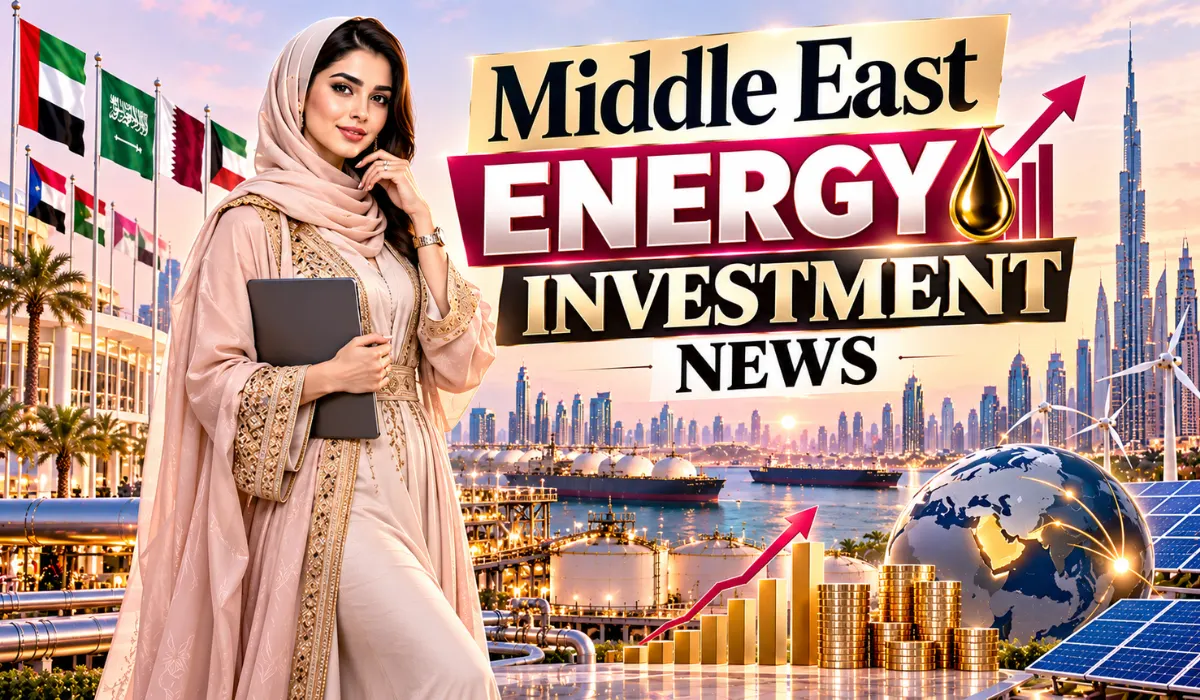
It is not all about black gold anymore. Middle East renewable energy news highlights a massive pivot happening across the desert sands. Countries that built their wealth on petroleum are now investing heavily in solar farms, green hydrogen, and wind energy.
This transition does not mean oil is disappearing tomorrow. Instead, governments are using oil revenues to fund cleaner technologies, ensuring their economies remain strong for future generations.
Frequently Asked Questions
What are the main factors driving Middle East oil changes today?
The primary drivers include OPEC+ production quota adjustments, regional security developments affecting shipping lanes like the Strait of Hormuz, and shifting global energy demand.
How does Middle East oil production affect global fuel prices?
Because the region supplies a massive share of the world's crude oil, any disruption or production cut instantly lowers global supply, driving up prices at petrol stations worldwide.
Are Middle Eastern countries moving away from oil entirely?
No, they are still major oil producers, but they are actively investing in Middle East renewable energy news projects to diversify their economies and prepare for a sustainable future.