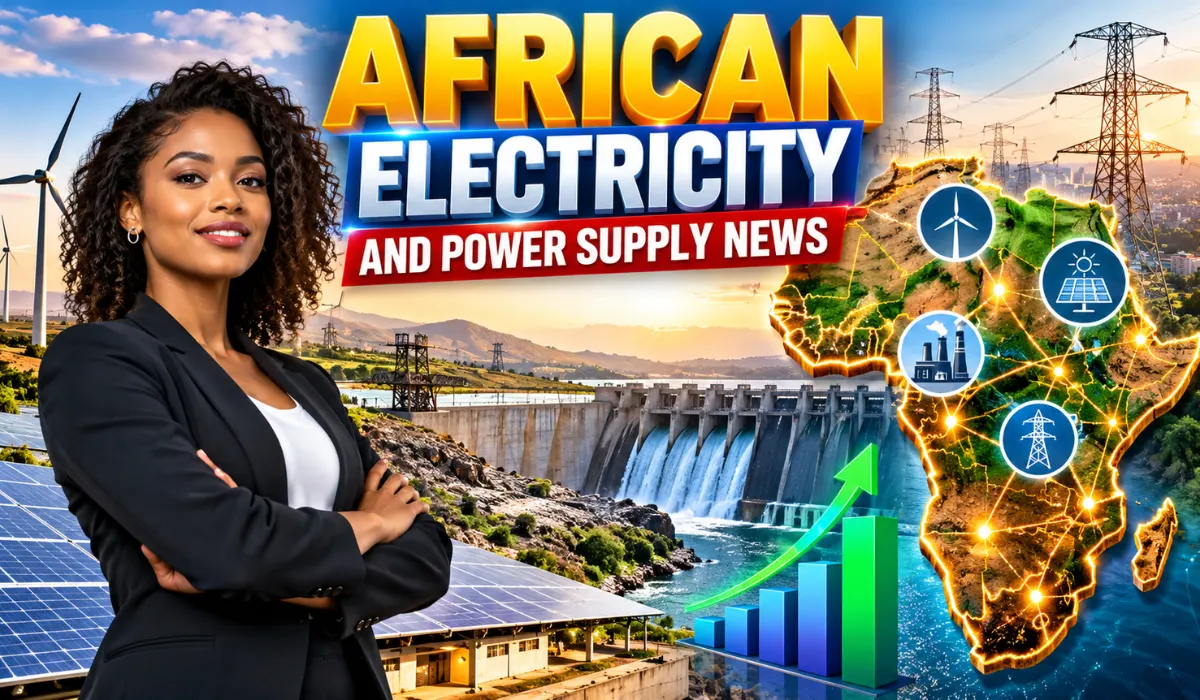
When I look at the bright lights of a modern city, I often think about how much we take a simple power switch for granted. Imagine waking up before the sun, turning on a switch, and nothing happens. No coffee maker, no charging phone, and no lights. For millions of people, this is not a movie scene—it is everyday reality. That is why tracking African electricity and power supply news matters so much today. Across the continent, an incredible energy transformation is taking place. From massive cross-border power grids to tiny solar panels lighting up rural schools, things are changing fast.
What are the latest African electricity and power supply news updates?
When I scan through the African electricity and power supply news today, I see a story of massive growth mixed with daily challenges. Governments, local engineers, and international partners are working around the clock to bring stable energy to homes, hospitals, and small businesses. Recent reports show that distributed solar installations are booming. In fact, solar power additions across the continent are hitting record highs, helping families bypass slow traditional grid expansions.
Latest power generation news across African countries
Power generation is stepping up in amazing ways. Big hydro, solar, and wind projects are coming online. For example, countries are investing heavily in hybrid systems that mix solar panels with large battery storage. This means power can stay on even after the sun goes down. When I talk to energy experts, they point out that generation is only half the puzzle. You also need to move that power safely across long distances without losing energy along the way.
Electricity infrastructure development news in Africa
Building new power plants is great, but upgrading old wires and transformers is where the real magic happens. Electricity infrastructure development news in Africa highlights major upgrades in transmission lines. Engineers are stringing high-voltage cables across borders so countries with extra electricity can share it with neighbors who need it. This regional teamwork is changing the energy map of the entire continent.
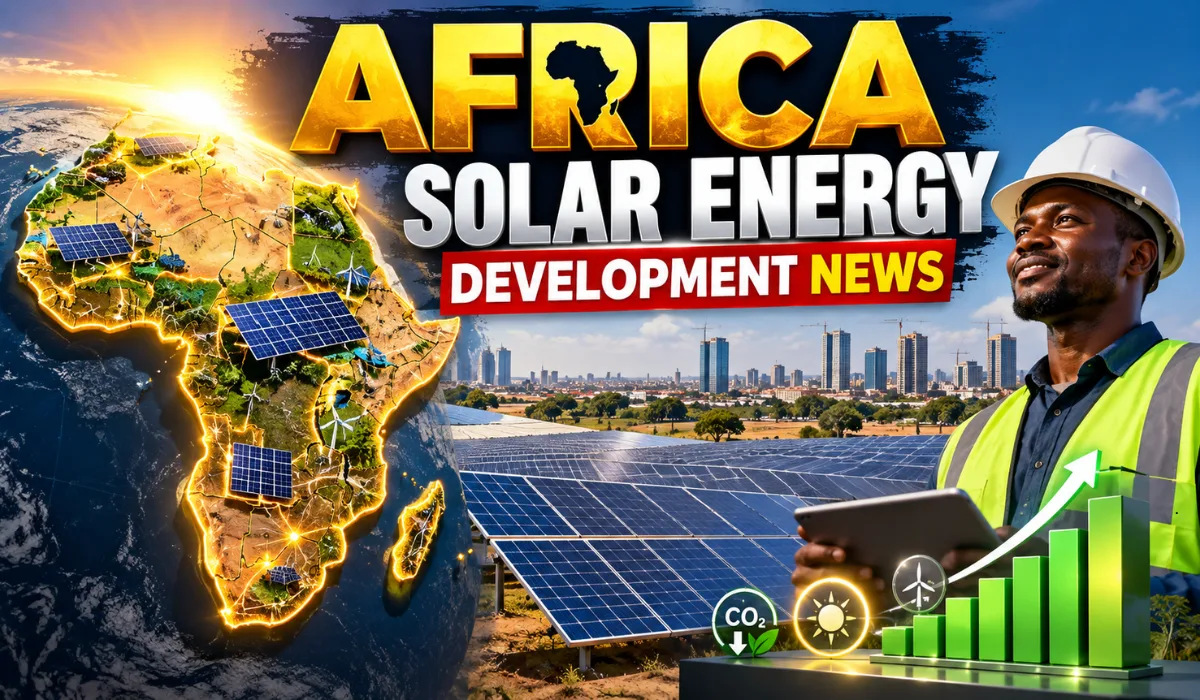
Read Also: Africa Solar Energy Development News: Latest Projects And Trends
Why is electricity access important for African economic growth?
I always tell my friends that electricity is the invisible fuel of any economy. Without it, factories cannot run, refrigerators cannot keep food fresh, and students struggle to study after dark. When reliable power arrives in a community, everything changes. Small shop owners can stay open later. Hospitals can keep vital medicines cold. Children can use computers to learn skills for the future. Reliable power unlocks human potential.
Electricity access rate across African countries
The numbers tell an honest story. On average, about 63% of people living in African countries had access to electricity recently. However, that number hides a big gap between cities and the countryside:
- Urban Areas: Around 93% of city residents enjoy grid connections.
- Rural Areas: Only about half of rural residents have reliable grid access, leading many to use solar home systems instead.
- Universal Access: Countries like Egypt, Morocco, Algeria, Tunisia, Mauritius, and Seychelles report near-universal or 100% access rates.
Top 10 African Electricity And Power Supply News
If you want a quick snapshot of what is happening right now, look at these top ten key developments shaping the sector:
- Continental Grid Integration: The African Union is pushing forward with the African Single Electricity Market to allow smooth cross-border power trading.
- Solar Energy Boom: Solar installations are seeing record-breaking growth, jumping significantly as families and businesses adopt clean power.
- World Bank Funding: Major financial packages are being approved to support regional energy transmission and decarbonization.
- Zambia-Malawi Interconnector: New grants and projects are linking neighboring countries to strengthen regional energy security.
- Mini-Grid Expansion: Rural communities are getting clean, off-grid electricity through smart solar mini-grid installations.
- Hydropower Upgrades: Major dams and hydro plants are getting structural overhauls to extend their working lifespans by decades.
- Cross-Border Power Pools: The West African, Eastern Africa, and Southern African Power Pools are trading thousands of gigawatt-hours of electricity.
- Permitting Reforms: Over 15 countries have introduced solar registration systems to better manage the rapid shift toward distributed energy.
- Water-Energy Nexus Projects: Innovative programs are using solar energy to run clean water supply systems in growing towns.
- Utility Engagement: Major power utilities across the continent are gathering at energy summits to tackle grid expansion head-on.
How is electricity supply improving across Africa?
Improvement is happening through a mix of mega-projects and smart, local solutions. Governments are no longer relying solely on massive central power plants. Instead, they are welcoming private investors and local innovators.
African electricity generation capacity updates
Capacity is growing steadily as new wind farms, geothermal plants, and solar fields come online. For instance, large hybrid projects are blending solar farms with giant battery banks. This solves the old problem of what to do when the sun isn't shining.
Latest electricity tariff changes across Africa
As new power sources enter the mix, utility companies are adjusting their pricing structures. Many regions are introducing smart tariffs that encourage industrial users to consume power during off-peak hours, keeping costs affordable for everyday households.
Read Also: Africa Climate Change News Latest: Weather And Solutions
Electricity connectivity projects in rural Africa
When I think about rural communities, I get excited about decentralized solar power. Running expensive power lines across hundreds of miles of mountains and deserts is difficult and costly.
Electricity connectivity projects in rural Africa
Instead of waiting for the main grid, local developers are building solar mini-grids. These are small, local power stations that serve a single village or farming cooperative. They provide instant, reliable power for irrigation pumps, local mills, and school lights.
Electricity access improvement projects in Africa
Governments and international groups are funding dedicated projects to upgrade low- and medium-voltage networks. These projects replace old wooden poles, fix faulty transformers, and connect thousands of previously neglected homes to safe electricity lines.
Cross-border electricity trade and government reforms
Electricity trade is like a giant puzzle where every country holds a different piece. When nations share power, everyone wins.
Cross-border electricity trade news in Africa
Through regional power pools, countries like those in East and West Africa are trading electricity back and forth. If one country has extra hydro power during the rainy season, it sells the surplus to a neighbor experiencing a dry spell. This keeps the lights on everywhere and lowers overall costs.
Government electricity reform news in Africa
To make these trades possible, governments are updating their laws. Government electricity reform news in Africa often focuses on breaking up state monopolies and allowing private companies to build power plants. This creates healthy competition, lowers prices, and speeds up construction.
What is the future of thermal and renewable power?
People often ask me if traditional power plants are disappearing completely. The answer is nuanced. While clean energy gets most of the headlines, reliable backup power still plays a temporary role in stabilizing grids.
Latest thermal power plant news across Africa
Many regions are optimizing existing thermal plants or exploring cleaner technologies, such as low-carbon hydrogen use in heavy industries. At the same time, older, high-emission coal and oil plants are gradually being phased out in favor of clean wind, solar, and geothermal options.
Read Also: Africa Stock Market News Updates: Latest Trends and Performance
Expert Insights and Industry Opinions
To understand the real story behind the headlines, I always look at what industry leaders have to say. Their expert opinions give us a clear window into where the sector is heading.
"Across Africa, distributed energy resources are rapidly expanding, and in many cases, overtaking grid capacity. This transition is chaotic and disruptive, but countries are leapfrogging into faster, cleaner energy growth." — Joel Nana, Research Director at African Tech Futures Lab
Industry analysts also point out that data collection is improving. Governments are beginning to track solar and mini-grid installations much better than before, helping planners build stronger grids for tomorrow.
Frequently Asked Questions
What are the main sources of electricity in Africa?
Africa uses a diverse mix of energy sources, including hydropower (like large dams), natural gas, coal, solar, wind, and geothermal energy. Clean renewable sources are growing faster than ever before.
Why do some regions still experience power cuts?
Many power grids are old, overloaded, or lack sufficient generation capacity to keep up with fast-growing cities. However, ongoing grid upgrades and new power plants are steadily fixing these issues.
How is solar energy changing rural Africa?
Solar panels and mini-grids allow rural families and farmers to get clean electricity instantly without waiting for expensive traditional power lines to reach their villages.
Conclusion
Tracking African electricity and power supply news reveals a continent in motion. We are witnessing a historic shift toward cleaner, more connected, and more reliable energy. While challenges remain, the determination of local communities, engineers, and leaders proves that a brighter future is already being built. Every new solar panel, transmission line, and regional trade agreement brings Africa one step closer to universal power access.