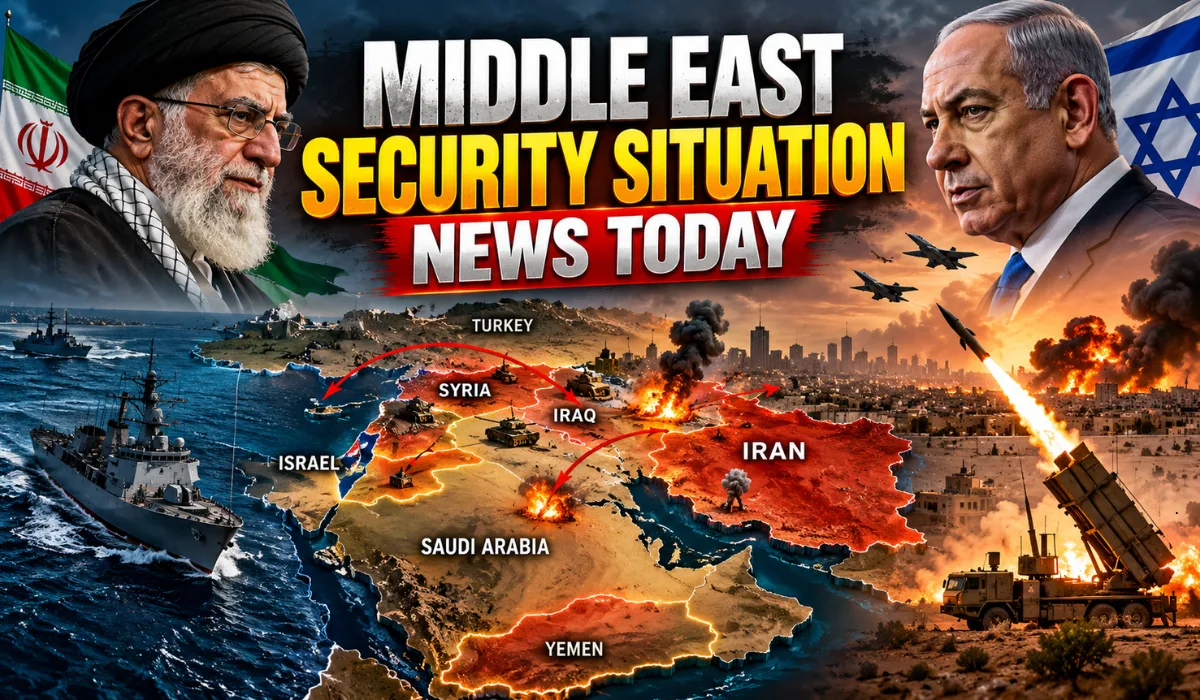
Understanding what happens in global politics can feel confusing, but keeping track of Middle East Diplomatic News Updates is super important for our daily lives. When I read about peace talks, oil prices, and changing borders, I always want clear, simple facts. Today, we live in a fast-changing world where international relations shift almost every single day. Let us explore how governments talk, negotiate, and try to keep peace in one of the most vital regions on earth.
What Are the Latest Middle East Diplomatic News Updates?
Keeping up with Middle East Diplomatic News Updates helps us see the big picture behind world events. Right now, major nations and regional leaders are working hard behind closed doors to stop conflicts and build bridges.
When I look at the latest diplomatic developments in the Middle East, I see countries like Qatar, Oman, and Pakistan stepping up as key peace makers. They host meetings to help bitter rivals talk instead of fight. For example, recent discussions focus heavily on reopening vital shipping lanes like the Strait of Hormuz and securing long-term ceasefires.
Industry experts often share valuable insights on these shifts. Dr. Elena Vance, a senior geopolitical analyst, notes:
"Modern diplomacy in West Asia is no longer just about bilateral treaties; it is a multi-layered web where regional mediators hold the key to preventing broader economic shocks."
Understanding the current Middle East diplomatic situation requires looking at how different capitals react to sudden crises. Whether it is a new trade route or a security pact, every small conversation matters for global stability.
Read Also: Middle East Trade And Investment News: Latest Market Trends
Why Are Middle East Peace Negotiations Important?
Peace talks change the way people live, trade, and travel across the globe. Everyone asks why are Middle East peace negotiations important because stability in this region affects gas prices, job markets, and international security everywhere.
When I check the Middle East peace process diplomatic updates, I notice that successful negotiations prevent terrible wars and save thousands of lives. Here are the core reasons why these talks matter so much:
- Global Energy Security: Peaceful relations keep oil and gas flowing smoothly through key trade routes.
- Economic Stability: Fewer conflicts mean lower inflation and steadier stock markets worldwide.
- Humanitarian Relief: Diplomacy opens doors to deliver food, medicine, and aid to people caught in conflict zones.
- Global Security: Resolving regional tensions stops dangerous weapons proliferation and cyber threats.
When leaders sit at a negotiating table, they choose words over weapons. That choice protects ordinary families living both inside the region and thousands of miles away.
Top 10 Why Are Middle East Peace Negotiations Important
Breaking down the core value of these talks makes it easier to understand their massive global impact. The Top 10 Why are Middle East peace negotiations important list highlights how interconnected our world truly is:
- Prevents Global Conflicts: Stops local disputes from turning into worldwide military crises.
- Protects Sea Lanes: Ensures safe passage for cargo ships carrying everyday goods.
- Stabilizes Oil Prices: Prevents sudden spikes in fuel costs at local gas stations.
- Encourages Foreign Investment: Brings business growth and modern technology to developing economies.
- Supports Regional Trade: Boosts commerce between Gulf nations, Asia, and the West.
- Aids Nuclear Non-Proliferation: Restricts dangerous arms buildups through strict international monitoring.
- Empowers Local Governance: Helps build stable, independent institutions in vulnerable countries.
- Reduces Refugee Crises: Stops mass displacement by restoring safety in war-torn towns.
- Fosters Cultural Exchange: Builds lasting tourism, educational, and scientific partnerships.
- Saves Human Lives: Minimizes casualties by replacing military strikes with structured dialogue.
How Do Middle East Countries Manage Diplomatic Relations?
Governments in West Asia use unique strategies to handle alliances, trade deals, and sudden political disagreements. Learning how do Middle East countries manage diplomatic relations shows us a blend of traditional tribal diplomacy and modern high-tech statecraft.
In my research, I find that nations like the UAE Iran diplomatic relations latest news show a complex mix of economic competition and cautious communication. Even when countries disagree strongly, their foreign ministries keep communication channels open through trusted third-party nations.
Furthermore, looking at Gulf countries diplomatic relations news reveals a strong push toward economic diversification. Instead of relying only on oil alliances, nations now form partnerships focused on artificial intelligence, renewable energy, and space research. This modern shift changes how they treat regional neighbors and global superpowers alike.
Read Also: Middle East Foreign Policy Updates: Latest Diplomatic Shifts
Latest Middle East Foreign Policy Updates and Regional Strategies
Foreign policies across West Asia are evolving rapidly to meet new global challenges. The latest Middle East foreign policy updates show that nations want more independence in solving their own problems without relying entirely on outside superpowers.
When analyzing the Middle East foreign policy analysis, experts point out that countries are adopting a "look east" strategy. They build strong trade ties with Asian economic powerhouses while maintaining security cooperation with Western allies. This balanced approach gives them more flexibility during international crises.
According to veteran diplomat Ambassador Tariq Al-Mansoor:
"The foreign policy mantra today is pragmatic neutrality. Countries want to trade with everyone and take sides with no one, maximizing their national sovereignty."
This strategy explains why we see unexpected handshake deals and joint economic forums between historical rivals.
Arab World Diplomatic Developments and Mediation Roles
The broader Arab world plays a massive role in shaping peace initiatives and resolving localized disputes. Tracking Arab world diplomatic developments helps us appreciate the collective voice of regional organizations like the Arab League.
Countries like Qatar Oman diplomatic mediation Middle East efforts have become legendary for their neutrality. When major powers struggle to talk directly, Qatari and Omani diplomats often host secret or open-air talks in places like Doha or Muscat. Their patient, quiet mediation style successfully lowers regional tensions time and time again.
Israel Arab Diplomatic Relations Latest News and Normalization Trends
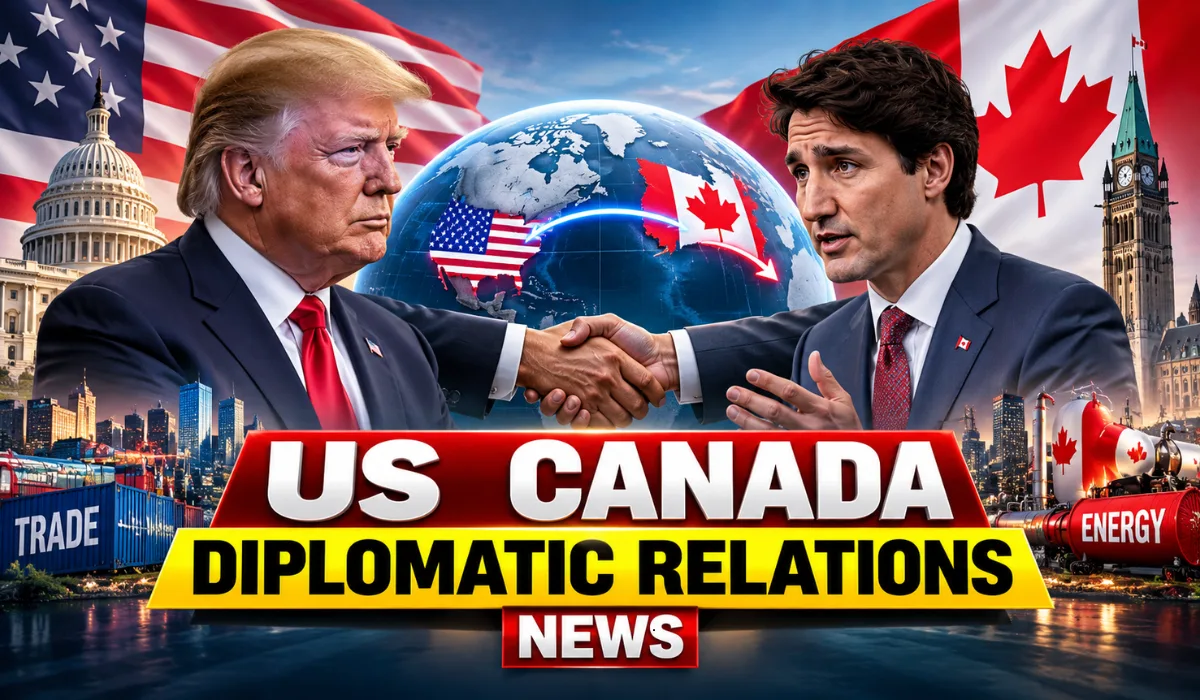
Shifts in normalization agreements continue to alter the political map of West Asia. Following the Israel Arab diplomatic relations latest news, we see a fascinating contrast between formal state-level economic ties and ongoing security hurdles on the ground.
While commercial flights, tech sharing, and tourism agreements remain active in many areas, intense conflicts in places like Gaza and southern Lebanon test the limits of regional integration. Diplomatic channels remain vital here because they provide the only framework to address core grievances and work toward a sustainable two-state or co-existence model.
Middle East Diplomatic News Analysis 2026: What Lies Ahead?
Looking closely at Middle East diplomatic news analysis 2026, the year stands out as a critical turning point for global security. Governments face immense pressure to wrap up protracted conflicts and stabilize supply chains.
My review of current trends shows that digital diplomacy and back-channel talks are replacing slow-moving formal summits. Leaders use direct phone lines and trusted regional envoys to stop escalations within hours instead of weeks. As we move deeper into the year, the success of these talks will depend entirely on mutual compromises over security guarantees and economic sanctions relief.
Read Also: Middle East Oil Production Latest Updates: What You Need to Know
Frequently Asked Questions
What are Middle East diplomatic news updates?
They are real-time reports about peace talks, foreign policy changes, treaties, and international relations involving countries in West Asia.
Why are regional peace negotiations so difficult?
Negotiations face hurdles due to deep historical mistrust, competing national interests, proxy conflicts, and security disagreements over borders and weapons.
Which countries usually act as mediators in the Middle East?
Oman, Qatar, and Pakistan frequently act as neutral mediators because they maintain good diplomatic ties with opposing global and regional powers.
How do these diplomatic updates affect everyday people?
Successful talks stabilize global oil prices, keep international shipping lanes open, prevent major wars, and lower economic inflation worldwide.