India has firmly established itself as the third largest start-up ecosystem. By 2026 in the year 2026, India will be the third largest startup ecosystem. Government of India, through the Startup India initiative is streamlining a variety of subvention and grant programs that will help you change to "job seekers" to "job creators." For those who are at your "Proof of Concept" stage or are ready to scale globally There is a specific program to help you get there.
1. Startup India Seed Fund Scheme (SISFS)
The SISFS remains the primary grants for entrepreneurs who are in their early stages. It's specifically designed for companies that have yet in the process of securing professional VC financing as well as bank loan.
- Maximum Benefits: Up to the amount of Rs20 lakhs as a loan for confirmation for Proof of Concept or prototype design; and up to 50 lakhs to market entry and commercialization using convertible debentures or debt.
- The criteria for eligibility: It must be a DPIIT-recognized company that was founded not more than 2 years old.
- Ideal for: Product trials, R&D as well as the initial launch of a market.
2. Pradhan Mantri Mudra Yojana (PMMY) 2026 Updates

The MUDRA scheme has been substantially increased in 2026 to assist small-scale enterprises and startups that are tech-enabled.
| Category | Loan Limit | Ideal For |
| Shishu | Up to Rs50,000 | Micro-entrepreneurs & home businesses |
| Kishore | Rs50,000 to Rs5 Lakhs | Equipment purchase & initial working capital |
| Tarun | Rs5 Lakhs to Rs10 Lakhs | Small-scale manufacturing |
| Tarun Plus | Up to Rs20 Lakhs | Highly-performing entrepreneurs who have a an established history of repayment |
Pro Tips: Under the latest guidelines for 2026 "Tarun Plus" specifically targets companies that have succeeded in transitioning from Kishore or Shishu. Shishu or Kishore levels.
Read also: Indian Govt Schemes Benefits For Farmers
3. Credit Guarantee Fund Trust (CGTMSE)
One of the major challenges for startups can be "collateral." The CGTMSE solution is to solve this issue through a guarantee from the government for banks.
- Guarantee Cover: Up to Rs10 Crore (increased in 2025-26).
- Important feature: Startups can avail of loans, without requiring any guarantees from third parties or physical collateral.
- 2026 Special Provision The innovative "Hybrid Security" model allows partially collateralized loans, which reduces the risks for the lending institution and the person who created it.
4. MSME Sustainable (ZED) Certification Subsidy
For companies that are starting up working in the industry of manufacturing for manufacturing companies, the Zero Defect Zero Effect (ZED) scheme provides an investment in the development of environmentally sustainable methods.
- Subsidies 80 percent for micro small businesses, 60% for Micro and 50% for Medium Enterprises regarding certification costs.
- Rewards: Joining rewards of 10,000 rupees as well as further 10% of subsidies to women, entrepreneurs from SC/ST and startups situated on the North Eastern regions.
- Technology Upgrade: Grants of up to three lakhs for the implementation of "Zero Effect" (environmentally friendly) solutions.
5. Production Linked Incentive (PLI) Scheme
The PLI program is the foundation for the "Make in India" initiative. Though it was traditionally geared towards large-scale industries 2026 witnessed the growth of MSME as well as Startup participation particularly in the drone, Food Processing, and IT Hardware sectors.
- Incentive: 4% to 18% of incremental sales of products produced in India.
- The impact: Around 176 MSMEs and startups in deep tech are directly affected, which helps them keep up with the world's top manufacturers.
6. Atal Innovation Mission (AIM) & ANIC
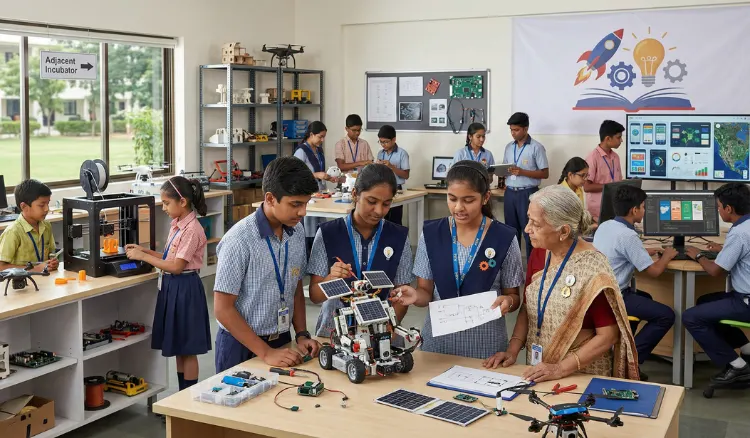
Directed through NITI Aayog, the Atal New India Challenge (ANIC) seeks startups that can solve "National Challenges" in sectors such as Health-tech, Agri-tech along with Clean Energy.
- Grant Sum: Up to $1 Crore for companies with working prototypes that are that is ready to be commercialized.
- infrastructure: access to Atal Incubation Centers (AICs) which provide workspace and mentorship that is that is worth millions.
Comparison of Top 3 Startup Funding Schemes
| Feature | SISFS | MUDRA (Tarun+) | ANIC (Atal Mission) |
| Nature | Grant/Seed Debt | Collateral-free Loan | Milestone-linked Grant |
| Max Amount | Rs50 Lakhs | Rs20 Lakhs | Rs1 Crore |
| Focus | Proof of Concept | Small Business Growth | Deep-tech / Social Impact |
| Repayment | No (for grants) | Monthly EMI | No |
How to Apply: A Step-by-Step Guide
- DPIIT Recognition Create a startup account with the Startup India Portal. This is the requirement for 99% of all subventions.
- Udyam Registration: Obtain your MSME Udyam Aadhaar to unlock manufacturing-specific subsidies.
- GEM Portal Join the government e-Marketplace (GeM) to participate in tenders for government contracts, where startups are granted exemptions of "Prior Turnover" and "Experience" requirements.
- Make a presentation: For grants like SISFS or ANIC Make sure that you've got an outline of the fund's use.
Conclusion
The outlook for 2026's Indian startups is far more diverse than. From the $110,000 ZED joining bonus and the Guarantee of Rs10 crore for CGTMSE that the government has been taking steps to reduce the risks associated with entrepreneurship. Through these programs, Indian founders can preserve their equity and secure the funds needed to finance revolutionary innovation.