
Locating a comfortable, safe and cost-effective place to reside is an enormous challenge throughout Europe. If you're walking the quaint streets of Paris or searching for a home in Berlin or the perfect studio apartment in Dublin The story is similar. The rents are exploding, house costs are rising as well as many are feeling in a bind. If you're thinking about the current state of the market for property in the Pacific, you're at the right spot. We will dive into the facts, recent policy shifts, and daily economic pressures that shape the European continent at the moment.
What Are the Latest European Housing Crisis Updates?
Europe is confronted with an acute shortage of housing. Recent figures provided by the European Commission reveals that housing costs throughout all of the European Union have jumped by an astounding 60% from 2013. Then, in May 2026 the EU announced a major new initiative known as The European Housing Alliance to assist cities in building affordable housing faster.
The construction of new structures can take a lot of time. As of now, close to one million residents across Europe don't have any kind of home. Authorities are taking action by providing emergency funding, however experts warn that the European housing crisis' impacts economics and has pushed local budgets beyond their limit.
Why Are Young Europeans Struggling to Buy Homes?
For a long time, the purchase of homes was an expected stage for teens. Now, it seems impossible to achieve. The answer is clear to what is causing young people in Europe to be having a hard time buying houses? It comes down to poor wages and strict rules for banks, as well as the fierce competition of big-name buyers.
Young professionals who are starting their careers at Madrid or Amsterdam finds that the cost of property have risen much more quickly than their salary per month. Today, banks demand massive down-payments. Due to this many adults who are in their 20s and in their 30s must stay with their parents, or squeeze into small, communal spaces. The ongoing housing crisis that is affecting the youngsters across Europe has impeded their ability to begin families and build their own financial wealth.
Read also: Europe Real Estate Investment News: 2026 Trends And Market Updates
Top 10 European Housing Crisis Updates
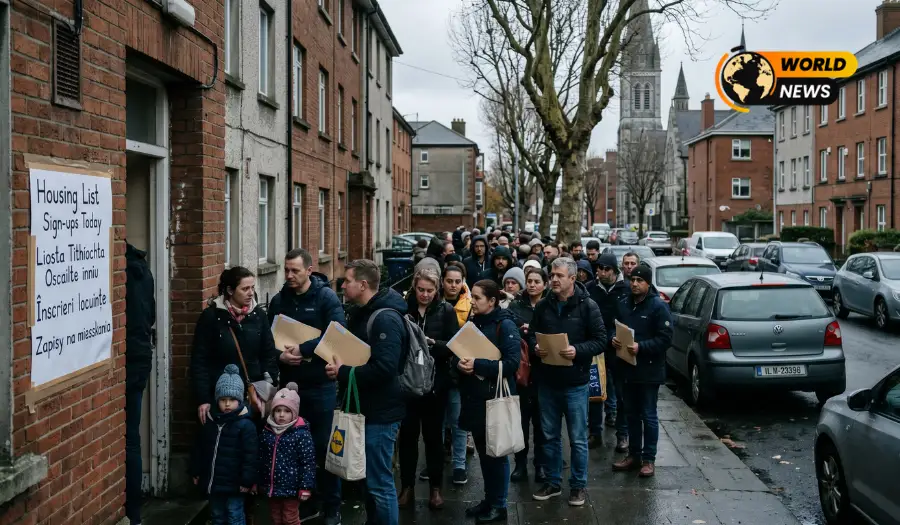
In order to help you comprehend the whole picture For your convenience, here's a list of the most important European Housing Crisis Updates taking place across Europe at the moment:
- New European Housing Alliance launched: Mid-2026, EU leaders gathered to create an unifying platform for funding the construction of public housing.
- Construction Slump Costs for building materials are high, which means firms are building less houses for residential use than is needed.
- Inflation Pressures: Although mortgage rates are a little lower however, they're still more than they were five years ago.
- The price of Spain's rise: Real estate experts predict Spanish homes to increase from 8% to 10% due to the large shortage of new homes.
- Short-term rental bans Cities such as Barcelona and Prague are slamming rental properties for vacations to help save the locals from renting apartments.
- The Special Funding of Germany Germany recently invested more than EUR322 millions to launch the development of low-cost, innovative building concepts.
- The Croatian New Housing Act: Together together with the European Investment Bank, Croatia has been advancing affordable housing developments in the five cities that are its biggest.
- Eastern Europe Crisis: For countries such as Hungary and Poland more than 90% of housing aid from the government fails to reach families with the lowest incomes because of bureaucratic problems.
- The Policy of Cohesion Push The European Parliament is demanding that the funds for regional development emergencies be channeled into affordable housing for the social.
- The rise of "Generation Rent": The percentage of people who permanently lease instead of buying has reached historic levels.
European Housing Crisis Updates: The Supply Chain Bottleneck
If we look at the latest updates on european housing crises 2026 It is evident that the construction industry is unable to construct fast enough. Materials like cement, steel glass and cement are pricey. In addition, there's an acute shortage of skilled construction workers. The experts in the industry say Europe requires over 2 million new houses each year over the next decade to meet the growth of population.
What Is the Latest European Housing Market Crisis News?
The current european housing turmoil report shows a clear distinction between countries. The home values in France remain flat or slightly declining in the Netherlands, France is experiencing a slight dip. Netherlands has been experiencing constant increases of as much as 6percent due to the an increased demand.
Expert Perspective: "We expect house costs in Europe will rise more quickly than incomes for households in the coming year, with an average growth of approximately 4.3 percentage. Constant supply restrictions continue to increase prices and impose a significant burden on daily affordableness." --- S&P Global Ratings Economic Research
How Do Energy Costs Affect Housing in Europe?
There is no way to evaluate property without taking a look at the cost of utilities. What's more, how do energy prices affect the housing market within Europe? When geopolitical tensions rise, the cost of energy and fuel rises. The result is that running a home can be extremely expensive.
Energy bills that are high can be a double hit. They leave families with less cash to cover their mortgage or rent. Additionally, the high cost of energy increase the cost of building materials to produce. This in turn fuels the wider Europe cost of living as well as the housing crisis which makes each square feet of living space more expensive to keep.
The Deep Impact of Inflation on European Housing
The effects of rising the rising cost of housing in Europe has altered the way homeowners and landlords act. If inflation is rising and maintenance costs rise, they also increase. Renters quickly transfer these costs down through increasing monthly rents. The average household, the cost of food and an adequate roof currently consumes more than 40% of their budget for the household.
Key European Housing Market Trends 2026
In examining European housing market trends 2026 Three main patterns emerge clearly:
- The return of institutional Capital: Large investment funds are investing their money in the construction of specialized student housing as well as one-family rental homes.
- The move to smaller units: Because space is prohibitively expensive, developers are now focused on modular and micro-apartments. houses.
- Eco-friendly Building Rules: New EU rules demand that all new construction be built to strict insulation and environmentally friendly standards. This increases the construction costs at the beginning.
Buying vs Renting in Europe: The Hard Choice
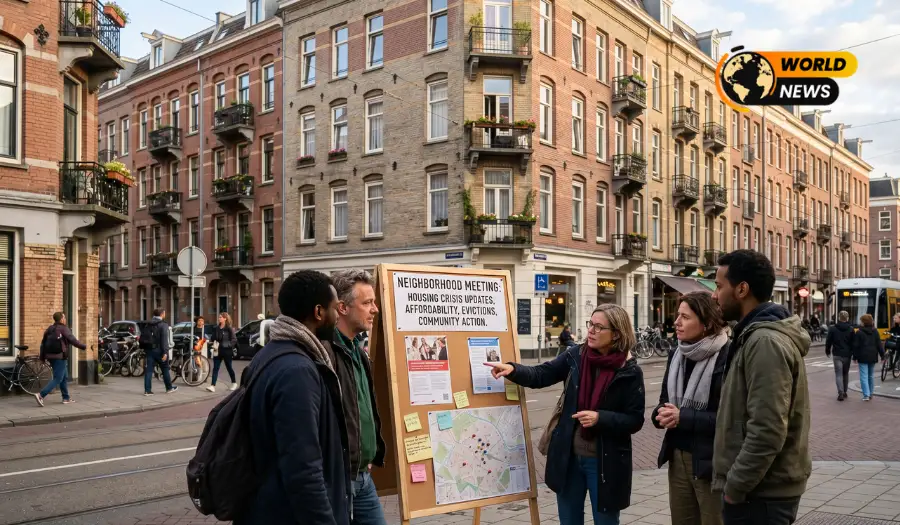
The debate about renting or buying Europe has changed dramatically. Renting was an option for a short period before purchasing. Nowadays, the high cost of property mean that renting is the only option for millions of people.
| Country / City | Average Situation | Accessibility Niveau |
|---|---|---|
| Germany (Berlin) | The past was a place for renters to have and rents are increasing rapidly due to the severe shortages. | Difficult |
| Spain (Madrid) | A strong preference to buy However, the younger generation is totally exempt from the market. | Very Low |
| Netherlands (Amsterdam) | Auctions for properties make it difficult to purchase homes unless there is enormous wealth from the family. | Critical |
A Quick European Capitals Rent Comparison
A straight European capitals rental analysis indicates that residing in the central metro areas demands a higher income. A standard apartment within Dublin or Paris typically costs between EUR1,800 to EUR2,500 each month. However, Eastern European capitals like Warsaw are experiencing rapid rental increases, as more of the population are moving to Warsaw for work in the tech sector.
Top European Cities Facing Massive Rent Increases
The top European cities facing massive Rent increases Included are Lisbon, Amsterdam, Dublin and Munich. Lisbon is seeing rents rise fast as a result of digital nomad visas as well as international buyers. Residents are being excluded from the exact areas they were raised in.
Will the European Property Market Crash in 2026?
People keep asking What will happen if you see the European Property Market Crash in 2026? The simple answer of leading financial experts is yes.
The most common cause of a market crash is because there are too many houses, but there aren't enough buyers. In Europe however, the opposite is taking place. Demand for houses is extremely high and the supply of houses is extremely low. Though prices could rise more slowly in some countries however, total collapse of the market is extremely unlikely due to the fact that there is a dire need for homes and places to stay.
Frequently Asked Questions
What is the main cause of the European housing crisis?
The primary reason is the huge shortage of homes. Growing population numbers and fewer families mean that more homes have to be built, yet high material cost and regulations hinder the construction of new houses in a timely manner.
Are European governments doing anything to fix rent prices?
Yes. A lot of cities are placing tight limits on rent increases and banning holiday rentals for short periods as well as working with other organizations such as the European Investment Bank to fund affordable housing for the public.
Is it cheaper to rent or buy in Europe right now?
Renting can be the only option available to youngsters because of the rising costs of property and strict banking mortgage regulations. But, rents per month in the major cities are increasing quickly that securing funds for the eventual purchase of a house is becoming very challenging.