
Do you want an easy way to increase your cash reserves? I understand how worrying about your hard-earned money. Everyone wants their money to be protected and continue to grow. That's why I like the financial schemes of the Government Of India.
They are protection to protect your cash. They're supported by the federal government, which allows you to sleep comfortably in the time of night. No matter if you're a college student, an active parent or retired or retired person, there's an excellent plan that is waiting for you.
In this article I'll show you the most effective government programs that are available in India that will help you create a brighter future. Let's get started and identify the best one to suit your needs!
Why should you invest in government schemes in India?
People often ask me what the reason is for them to choose public plans instead of private plans. My answer is straightforward: Safety and Trust. If you compare the government versus private ones the most significant difference is the amount of risk.
Private enterprises can be in difficulties. However, it is the Government of India is always present. There are many astonishing advantages of the government's financial plans:
- Guaranteed Returns You are aware of exactly what you'll get.
- Tax Savings Numerous plans can assist you in paying less tax.
- Low Cost of Entry: It is possible to start at as low as Rs250, or even Rs500.
- Long-Term Growth The program makes use of the ability of compounding to create your life rich.
Read also: Indian Government Schemes For Rural Women
Top 10 Financial Schemes By Government Of India
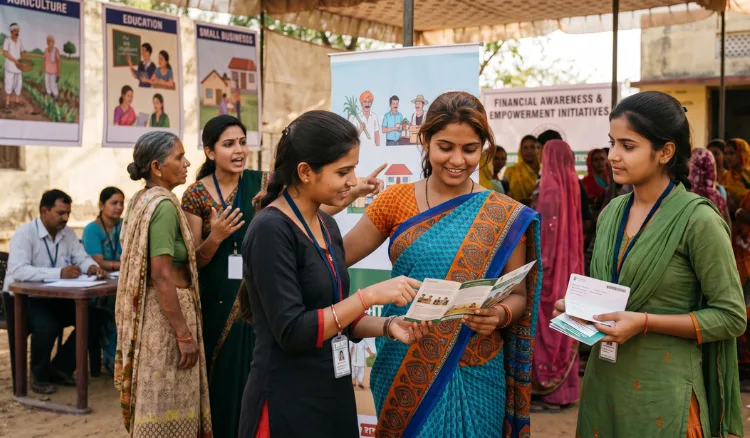
I've researched the most well-known and useful programs available in the present. They are among the top government plans for India that every citizen should be aware of.
1. Sukanya Samriddhi Yojana (SSY)
This is an amazing present to your daughter. It has one of the best interest rates. This is a great option for young girls who are less than 10 years old.
2. Public Provident Fund (PPF)
The PPF is the most popular choice among the majority of. It's a 15-year program which offers a high rate of interest and tax-free. It's among the most popular plans to reduce taxes offered by the government of India.
3. Pradhan Mantri Jan Dhan Yojana (PMJDY)
It is an integral part of the listing of financial inclusion programs that are being implemented in India. This helps every person get an account at a zero balance.
4. Atal Pension Yojana (APY)
Do you want a steady source of income when you quit working? APY is the perfect option for those in an informal sector. Pay a little today and receive a guaranteed pension at a later date.
5. National Savings Certificate (NSC)
This is a dependable 5 year purchase. You can buy it at any Post Office. This is an old-fashioned small savings plan that is popular in India.
6. Senior Citizen Savings Scheme (SCSS)
This plan provides high-security as well as a regular, quarterly income.
7. Pradhan Mantri Mudra Yojana (PMMY)
Small business owners can benefit from this. If you're looking to set up an online shop or even a tiny manufacturing plant, you may be able to apply for an Mudra loans without collateral.
8. Kisan Vikas Patra (KVP)
The plan will double your funds for a set time. This plan is extremely popular in areas with a lot of rural.
9. Mahila Samman Savings Certificate
The plan is a special two-year one exclusively for females. The plan offers fixed rate of 7.5 per cent.
10. Pradhan Mantri Awas Yojana (PMAY)
This program helps you construct your very own "Pucca" house with government assistance.
What are small savings schemes in India?
The term "small savings schemes" is used small savings plans often. They are special containers that are administered by the government, through Post Offices as well as banks. These are intended for individuals who wish to save smaller amounts of money each month.
Examples of this are Common examples are the Post Office Monthly Income Scheme (POMIS) and Recurring Deposits (RD). These are among the most effective government schemes in India since they're easily understood and accessible.
How to invest in small savings schemes in India?
The process of investing is much simpler than you believe! I've assisted many of my acquaintances get started. Below is an easy step-bystep instruction:
- Choose a Plan: Select a scheme that is based on the goal you have in mind (like an education for your child, or buying a house).
- Stop by a bank and Post Office: Most Bank programs that are available in India can be found through public sector banks, such as SBI or the neighborhood Post Office.
- Complete the form: Use your Aadhaar as well as PAN card information.
- Money Deposit: You can start by depositing cash or using a check.
Expert Advice: "Always check the latest interest rates prior to investing. They are updated by the government each 3 months (quarterly) in order to ensure they remain reasonable for investors." -" The Financial Expert's View
Financial Schemes for Women and Housewives
Every woman deserves to have a financial independence. There are a variety of amazing strategies for women in the home India to can help them to save their savings from cooking.
To those looking to establish a company consider plans offered by the government for female entrepreneurs in India. It is the Mahila Samridhi Yojana gives micro loans at low rates of interest. The plans allow women to be "Lakhpati Didis."
Documents needed to apply for Mudra loan
If you're applying for an investment loan in Mudra the following documents are required:
- Identity Proof (Aadhaar/Voter ID)
- Address Proof
- Business Address Proof
- Size of photos for passports
- Certificate of Category (if there is one)
Government Free Money Scheme for Students
It's true that the government assists students! The government doesn't offer "free money" without reason however, there are grants and scholarships. As an example The PM Scholarship Scheme offers monthly assistance to students.
In 2026, a few states are launching monthly support for expenses to youth without jobs that have graduated from the 12th class. It helps them develop new abilities without being the burden of their parents.
List of Banking and Financial Inclusion Schemes
The objective is to bring the bank's services to all doorsteps. Below is a short overview of the banking options that are available in India:
| Scheme Name | Main Benefit |
| PM Jan Dhan Yojana | Zero Balance Account + Insurance |
| PM Suraksha Bima Yojana | Accident Insurance starting at 20 Rs per year |
| PM Jeevan Jyoti Bima | Life Insurance for Rs436/year |
| Stand-Up India | Loans for SC/ST and Women Entrepreneurs |
Central vs State Government Schemes India
There are times when people confuse both.
- Central Schemes As with financial schemes run by the Government Of India, they are similar throughout the entire country.
- State Plans: These are specific to your particular state (like Ladli Behna in MP or Kanyashree in West Bengal).
I recommend that you check both! It is possible to find additional advantages in your state's portal.
Final Thoughts on Financial Schemes By Government Of India
The beginning of your journey to invest might seem daunting But this Financial Schemes of the Government Of India make the process easy. They were designed to be useful specifically for me, you, and for every person.
Do not wait until to get there at the "right time." Begin with a tiny amount right now. It doesn't matter if it's the tax savings government program or simply a Post Office savings account each dollar you put in will be a credit to the future.
Frequently Asked Questions
1. Can a 10-year-old open a bank account?
Yes! As per the PM Jan Dhan Yojana Any Indian citizen who is 10 years old or above is eligible to save money by opening a savings bank account.
2. Which is the best government scheme for high interest?
At present in the present, Sukanya Samriddhi Yajana (SSY) and Senior Citizen Savings Scheme (SCSS) offer some of the highest rates of interest that are often higher than 8%..
3. Are government schemes better than Fixed Deposits (FD)?
Often, yes. Numerous government programs like PPF provide better tax advantages and security when compared with Private bank-owned FDs.
4. How can I see all schemes in one place?
It is possible to visit myScheme. myScheme site. It's the "one-stop shop" to find each scheme that you're qualified for!